UniNeuromed Pozzilli
Medicine & Surgery (MD in English) • IRCCS Neuromed Research Park
Train inside IRCCS Neuromed—one of Europe's foremost clinical and research institutes for neuroscience, neurosurgery, stroke management, and molecular genetics. Experience exceptional mentor-to-student ratios, state-of-the-art neuroimaging, and affordable student living in Molise.
Neuroscience Hub
IRCCS Neuromed
Pozzilli (Isernia), Italy · Research Park
Degree Awarded
MD (EU Accredited)
Specialized Focus
Neuroscience & Surgery
Exam Format
60 Qs Computer-Based
Annual Tuition
€15,000 – €18,000 / yr
Campus gallery
See where you will study
Real campus, teaching and clinical environments from the university and credited editorial sources.
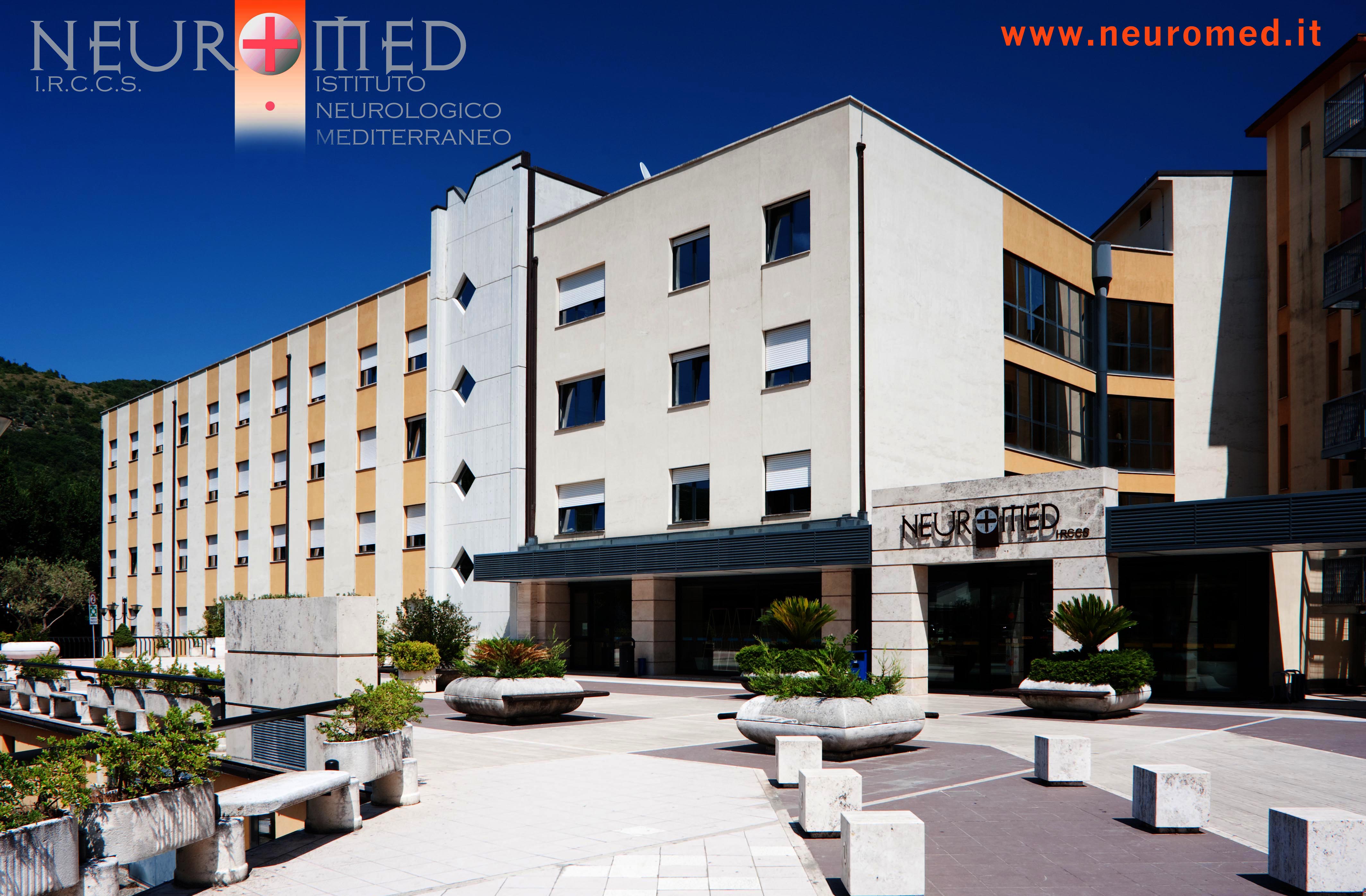
Neuromed campus
Medical teaching beside the IRCCS neuroscience center.

Research hospital
Clinical and biomedical research infrastructure in Pozzilli.
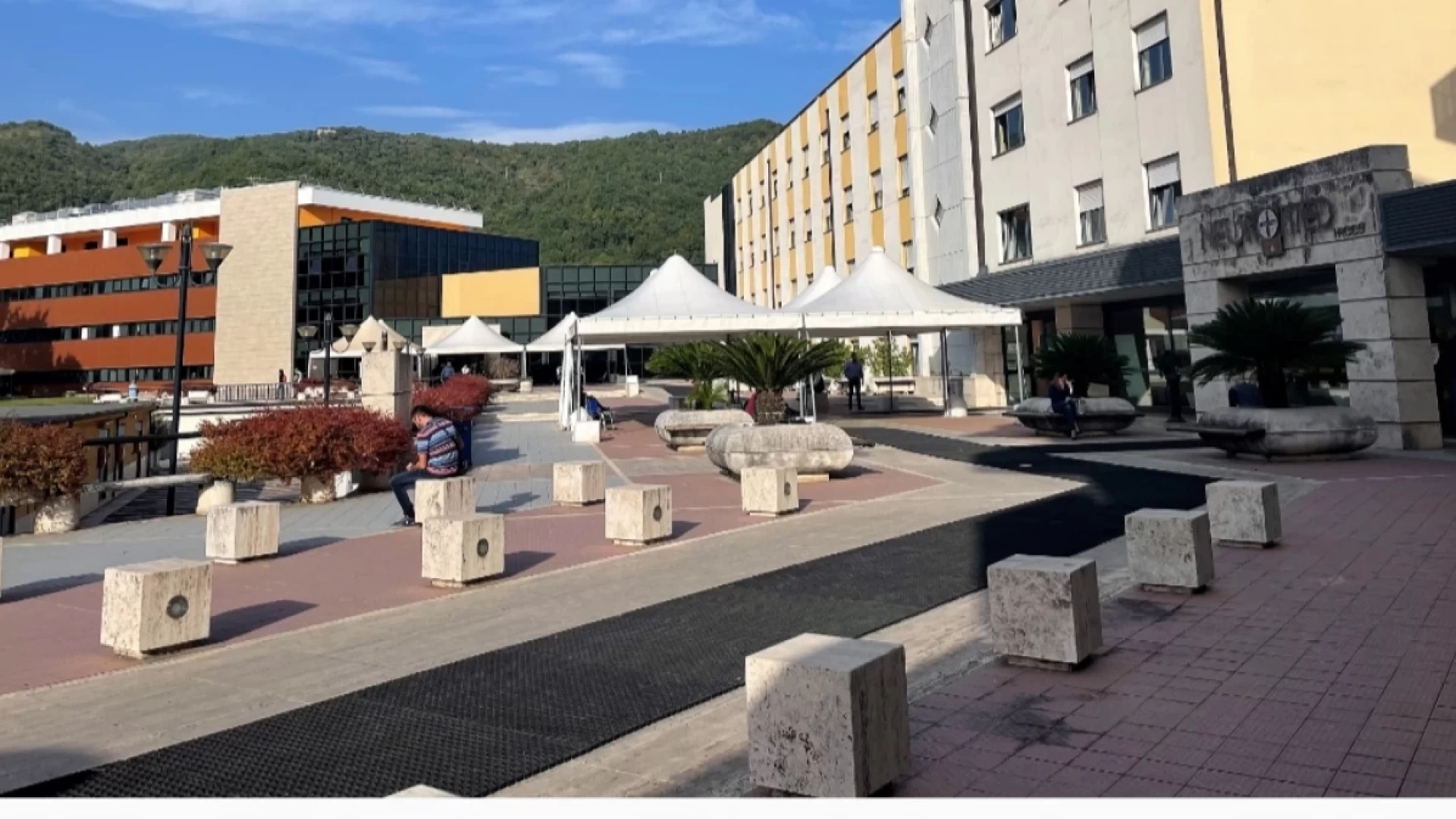
Clinical community
A compact campus centered on patient care and research.
Degree
Medicine & Surgery (MD)
Hospital
IRCCS Neuromed
Exam
60 Qs Computer-Based
Duration
6 Years (360 ECTS)
Focus
Neuroscience & Genetics
Location
Pozzilli (Molise), Italy
Admission Test Specifications
60 Questions in 90 Minutes
The examination assesses foundational scientific mastery with high emphasis on Biology, Chemistry, Logic, and basic Mathematics and Physics.
+1.0
Correct
-0.25
Incorrect
0
Blank
IRCCS Neuromed Research Integration
Students participate in real-world biomedical and clinical research alongside renowned neurologists, neurosurgeons, and molecular biologists.
60-Question Subject Breakdown
Cellular biology, neurobiology, genetics, human physiology, histology, molecular pathology mechanisms.
General, inorganic, and organic chemistry; stoichiometry, thermodynamics, solutions, acid-base equilibria, biomolecules.
Deductive logic, data interpretation, critical thinking, analytical problem solving, and scientific text analysis.
Mechanics, electrodynamics, optics, thermodynamics, algebra, trigonometry, geometry, and probability.
Full 6-Year Medical Degree Syllabus
A rigorous European medical curriculum featuring advanced clinical neurosciences, high-resolution neuroimaging, and patient-centered hospital training.
Year 1: Molecular Foundations & Neurobiological Principles
Preclinical Sciences, Biophysics, Anatomy & Cellular Biology
Medical Physics & Biomedical Instrumentation
Radiation biophysics, bioelectricity, optical instrumentation, fluid mechanics, biomedical data analysis.
Chemistry & Foundations of Medical Biochemistry
Chemical thermodynamics, metabolic pathways, enzyme catalysis, bioenergetics, structural lipidomics, and proteomics.
Cellular & Molecular Biology
Membrane transport mechanisms, organellar trafficking, signaling cascades, epigenetic control, apoptosis.
Histology, Cytology & Human Embryology
Microscopic tissue architecture, stem cell biology, early embryonic germ layer specialization, organogenesis.
Human Gross Anatomy I (Locomotor & Thoracic)
Musculoskeletal biomechanics, cardiovascular morphology, mediastinal anatomy, respiratory system, clinical correlates.
Introduction to Clinical Neuroscience & Bioethics
Neuroethics, history of brain research, doctor-patient communication, and scientific methodology.
First Aid & CPR Certification Lab
Cardiopulmonary resuscitation, defibrillation, first aid skills, simulation lab training at IRCCS Neuromed suites.
Clinical Clerkship Focus: First Aid & CPR, Basic Laboratory Techniques at IRCCS Neuromed Research Park.
Year 2: Neuroanatomy, Physiology & Pathological Basis
Systemic Physiology, Pathology, Immunology & Microbiology
Advanced Neuroanatomy & Visceral Morphology
Cranial nerves, central nervous system pathways, brain mapping, visceral splanchnology.
Systemic Human Physiology I & II
Cardiac electrophysiology, pulmonary mechanics, renal regulation, gastrointestinal motility, neurophysiology, endocrine axes.
General Pathology & Pathophysiology
Cellular injury, inflammation, tissue repair, hemodynamic disorders, shock, thrombosis, molecular oncology.
Immunology & Immunopathology
Innate and adaptive immunity, lymphocyte activation, hypersensitivity, autoimmune pathologies, neuroinflammation.
Medical Microbiology & Virology
Bacterial virulence factors, antimicrobial resistance, viral replication strategies, mycoses, clinical parasitology.
Medical Genetics & Neuro-Genomics
Chromosomal disorders, neurogenetic diseases, hereditary neuropathies, biobanking, and genetic counseling.
Physical Semeiotics & Neurological Examination
Hands-on physical examination techniques, vital signs, cranial nerve testing, motor and sensory neurological examination.
Clinical Clerkship Focus: Clinical Semeiotics Simulation & Neurological Examination Workshops.
Year 3: Pathology, Pharmacology & Hospital Clerkships
Systemic Pathology, Clinical Pharmacology & Inpatient Wards
Systemic Anatomic Pathology
Histopathological diagnosis of cardiovascular, pulmonary, gastrointestinal, neuropathological, and skin diseases; biopsy interpretation.
General & Clinical Pharmacology
Pharmacodynamics, pharmacokinetics, neuropharmacology, psychotropic agents, cardiovascular drugs, toxicology.
Medical & Surgical Semeiotics (Methodology)
Clinical diagnostic reasoning, differential diagnosis formulation, symptom analysis, and bedside presentation.
Laboratory Medicine & Neurobiochemistry
Clinical hematology, CSF biomarkers, coagulation profiling, urinalysis, and point-of-care testing technologies.
Cardiovascular System Diseases
Coronary artery disease, heart failure, arrhythmias, valvular disorders, hypertension, interventional catheterization.
Respiratory System Diseases
COPD, asthma, interstitial lung diseases, pulmonary embolism, pneumonia, thoracic oncology, and non-invasive ventilation.
Inpatient Bedside Clinical Clerkships
Daily ward rounds in Internal Medicine and General Surgery, patient case management, and morning clinical meetings.
Clinical Clerkship Focus: Daily Bedside Inpatient Clerkships at IRCCS Neuromed Hospital Wards.
Year 4: Specialized Medical & Surgical Disciplines
Organ-System Subspecialties & Multidisciplinary Oncology
Gastroenterology, Hepatology & Endoscopy
GI bleeding, inflammatory bowel disease, viral hepatitis, cirrhosis, pancreatitis, diagnostic and interventional endoscopy.
Endocrinology, Diabetology & Metabolism
Thyroid pathology, pituitary disorders, adrenal insufficiency, diabetes management, metabolic bone diseases.
Nephrology, Dialysis & Urology
Acute and chronic renal failure, glomerulonephritis, hemodialysis and transplantation, urological cancers, and lithiasis.
Rheumatology & Autoimmune Disorders
Rheumatoid arthritis, SLE, systemic sclerosis, spondyloarthropathies, vasculitides, and biological targeted therapies.
Hematology & Transfusion Medicine
Leukemias, lymphomas, myeloma, hemolytic anemias, bone marrow transplantation, and hemotherapy protocols.
Medical Oncology & Precision Oncology
Oncogenesis, molecular tumor profiling, immune checkpoint inhibitors, chemotherapy regimens, palliative care.
Advanced Neuroimaging & Diagnostic Radiology
3T MRI, functional MRI, PET-CT, SPECT, interventional neuroradiology, and therapeutic catheterization.
Subspecialty Outpatient & Stroke Unit Rotations
Rotations across specialized clinical units, stroke units, and multidisciplinary tumor boards.
Clinical Clerkship Focus: Subspecialty Rotations, Stroke Unit Clerkships & Interventional Neuroradiology at Neuromed.
Year 5: Neuroscience, Sensory Organs & Maternal-Child Health
Clinical Neurosciences, Head & Neck, Musculoskeletal & Pediatrics
Neurology, Stroke & Neurodegenerative Disorders
Stroke unit protocol, epilepsy, Parkinson disease, Alzheimer disease, ALS, multiple sclerosis, peripheral neuropathies.
Neurosurgery, Spine Surgery & Neuronavigation
Intracranial tumors, skull base surgery, aneurysm clipping, spinal instrumentation, robotic neurosurgery.
Psychiatry & Behavioral Health
Depressive and bipolar disorders, schizophrenia, anxiety disorders, psychopharmacology, emergency psychiatry.
Orthopedics, Traumatology & Sports Medicine
Fracture management, joint reconstruction (hip, knee), spine surgery, arthroscopy, and musculoskeletal rehabilitation.
Ophthalmology & Neuro-Ophthalmology
Refractive surgery, cataract, glaucoma, retinal diseases, visual pathway lesions, ocular emergencies.
Otorhinolaryngology & Audiology
ENT oncology, otology, audiology, rhinology, airway management, and reconstructive head and neck surgery.
Dermatology, Venereology & Plastic Surgery
Inflammatory skin disorders, melanoma, cutaneous surgery, aesthetic and reconstructive plastic surgery.
Obstetrics, Gynecology & Reproductive Medicine
High-risk pregnancy, labor management, gynecological oncology, minimally invasive laparoscopic surgery, IVF.
Pediatrics, Neonatology & Pediatric Neurology
Neonatal intensive care, growth disorders, pediatric infections, pediatric epilepsy, congenital brain malformations.
Neurosurgical Theater & Maternity Traineeships
Scrubbed-in surgical training, labor ward assistance, and pediatric emergency clerkships.
Clinical Clerkship Focus: Neurosurgical Operating Theaters, Neuro-Rehabilitation Units & Pediatric Inpatient Clinics.
Year 6: Critical Care, Evaluative Traineeship (TPV) & MD Thesis
Emergency Medicine, Official Licensing Internship & Degree Defense
Emergency Medicine & Neurocritical Care
Acute stroke thrombolysis, neurotrauma resuscitation, shock management, ACLS protocols, emergency POCUS.
Intensive Care, Anesthesiology & Pain Medicine
Intracranial pressure monitoring, ventilator management, neuroanesthesia, perioperative care, palliative analgesia.
Clinical Toxicology & Poisoning Emergencies
Acute drug intoxications, biological toxins, industrial poisonings, antidotal treatments, and dialysis detoxification.
Forensic Medicine, Deontology & Healthcare Law
Medical liability, ethics in intensive care, patient consent, autopsy findings, and professional jurisprudence.
Public Health, Hygiene & Global Health Systems
Hospital infection control, epidemiology, health economics, preventative medicine, and global health policy.
Practical Evaluative Traineeship (TPV Internal Medicine)
Official licensing clinical rotation in Internal Medicine inpatient units.
Practical Evaluative Traineeship (TPV General Surgery)
Official licensing clinical rotation in General Surgery operating and ward units.
Practical Evaluative Traineeship (TPV General Practice)
Official licensing clinical rotation with accredited primary care physicians.
Experimental Research MD Thesis Defense
Independent scientific thesis based on laboratory or clinical investigation defended before the university degree commission.
Clinical Clerkship Focus: Full-Time Practical Sub-Internships in Emergency Department, Neuro-ICU & Specialized Units.
8-Step Application & Visa Roadmap
Follow this strategic roadmap to matriculate at Neuromed Pozzilli.
Verify Secondary Education Credentials
Confirm you possess a high school graduation diploma obtained after 12 years of formal education with scientific coursework.
Register on Neuromed Admissions Portal
Create an account on the official Neuromed portal (neuromed.it), enter personal details, and pay the test registration fee.
Sit the Computer-Based Admission Test
Complete the 60-question CBT test in 90 minutes covering Biology (25 Qs), Chemistry (15 Qs), Physics & Math (10 Qs), and Logic (10 Qs).
Merit Ranking & Confirmation Deposit
Admitted candidates must pay the initial tuition installment to secure their seat allocation in Pozzilli.
Submit Universitaly Pre-Enrollment (Non-EU)
Non-EU students submit their visa pre-enrollment application on Universitaly, selecting UniNeuromed.
Legalize Academic Diplomas (CIMEA or DOV)
Secure the CIMEA Statement of Comparability & Verification or consular Declaration of Value for your secondary school diploma.
Student Visa & Travel to Italy
Obtain your Italian Type D Student Visa and travel to Italy.
Campus Arrival & Research Park Integration
Arrive in Pozzilli/Isernia, complete university matriculation, apply for your Permesso di Soggiorno, and begin coursework in the IRCCS Neuromed research park.
Frequently Asked Questions
Everything you need to know about studying medicine at UniNeuromed.
Where is Pozzilli and how do students travel there?
Pozzilli is located in the Molise region near Isernia, approximately 1 hour and 30 minutes from Rome and Naples by direct train or university shuttle.
Is the MD degree valid across Europe and globally?
Yes. The degree is fully accredited under EU Directive 2005/36/EC, providing medical licensing rights throughout the European Union, and eligibility for USMLE / GMC pathways.
What makes IRCCS Neuromed unique for medical students?
As an official Scientific Institute for Research, Hospitalization and Healthcare (IRCCS), Neuromed is an internationally recognized leader in neurology, neurosurgery, stroke units, and genetic biobanking.
What are living costs like in Pozzilli?
Living expenses in Molise are substantially lower than Rome or Milan. High-quality private student accommodation ranges between €250 and €400 per month.
What is the examination structure and scoring?
The test consists of 60 multiple-choice questions in 90 minutes (+1.0 correct, -0.25 incorrect, 0 blank) covering Biology (25 Qs), Chemistry (15 Qs), Physics & Math (10 Qs), and Logic (10 Qs).
Are students involved in laboratory and clinical research?
Yes. Students are integrated into the IRCCS Neuromed Research Center from Year 1, collaborating on scientific publications, clinical trials, and molecular genetic studies.
Is Italian language proficiency required before admission?
No prior Italian knowledge is required for admission. All coursework and academic exams are in English. UniNeuromed provides Italian language training during Years 1 and 2.
What is the annual tuition fee?
Tuition is approximately €15,000 to €18,000 per academic year, payable in installments across the academic year.
Apply to UniNeuromed with Meditaliano
Get personalized scientific exam preparation, application support, and pre-enrollment visa assistance with Meditaliano.