Bridging Medicine (MD) and Engineering (BME): Why Doctors Must Master Technology
Modern healthcare is intimately connected with engineering innovations: surgical robotics (da Vinci), AI diagnostics, continuous wearable biosensors, neural interfaces, and 3D bioprinting. Yet a profound structural divide persists: clinical doctors rarely understand programming, circuit physics, or biomechanics, while software and hardware engineers have never experienced sterile operating fields, ER triage, or patient distress.
Italy's MedTech programs were created specifically to eradicate this disconnect. Over 6 integrated academic years, students undertake rigorous pre-clinical and clinical hospital training alongside advanced engineering coursework from Italy's top polytechnic institutes, graduating with dual legal qualifications: Doctor of Medicine and Surgery (MD) plus a Master of Science in Biomedical Engineering.
Core Distinctions: MedTech vs HealthTech vs BioTech
MedTech: Patients, doctors & hospitals. Core surgical hardware, AI diagnostics, active implants & prescription DTx apps.
HealthTech: Healthy consumers & wellness. Smartwatches, sleep monitoring rings & lifestyle apps.
BioTech: Cellular & molecular science. mRNA vaccines, monoclonal antibodies, CRISPR gene editing & stem cells.
Explosive Global MedTech Growth Metrics
$45.87 Billion (CAGR 19.8%)
AI Healthcare Market Forecast (2034)
$93.77 Billion
Global Digital Therapeutics Market (2033)
Approx. 64% (70% within imaging)
Radiology & Imaging Share in FDA SaMD Approvals
Global MedTech & Digital Health Research Intelligence
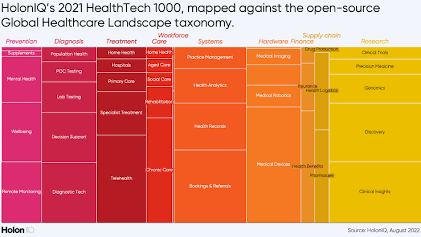
HolonIQ Global HealthTech 1000 Taxonomy Landscape
Comprehensive open-source mapping of the global HealthTech ecosystem across 9 core pillars from Prevention and Robotics to Systems and Clinical Research.
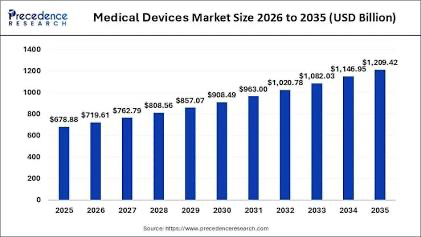
Global Medical Devices Market Size & Projections (2025–2035)
Projections show the worldwide medical device market expanding from .88B in 2025 to over ,209.42B by 2035, underscoring urgent demand for biomedical engineering talent.
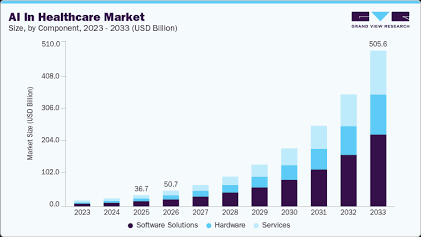
Global AI in Healthcare Market Growth Forecast (2024–2033)
Healthcare AI market exploding to .6B by 2033, driven overwhelmingly by software solutions, generative clinical NLP, and diagnostic computer vision.
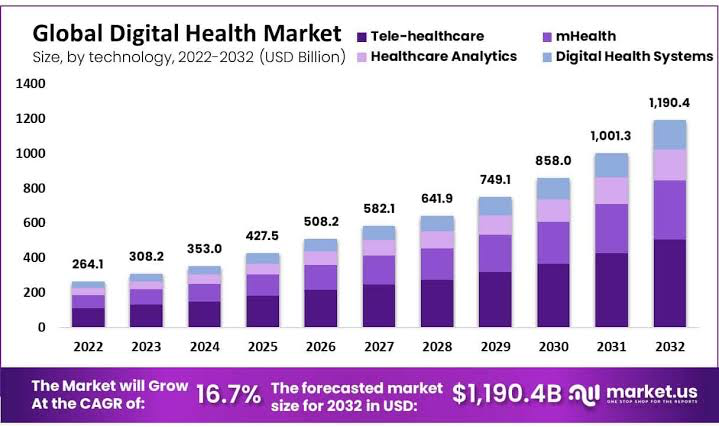
Global Digital Health Market Size Forecast (2022–2032)
Global digital health expanding at an astonishing 16.7% CAGR, scaling from .1B in 2022 to ,190.4B by 2032 across cloud, wearable, and mobile modalities.
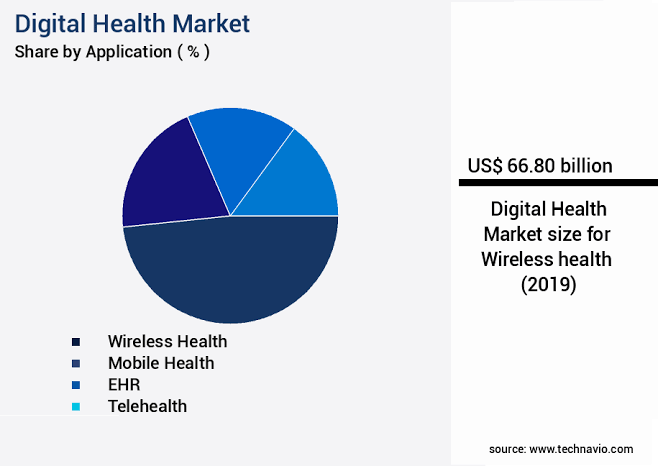
Digital Health Market Share by Application
Application breakdown highlighting Wireless Health (.8B alone), Mobile Health, Electronic Health Records, and Telehealth services.
Comprehensive Comparison of All 4 Italian MedTech Double-Degree Programs
Four universities in Italy currently offer combined Medicine & Biomedical Engineering curricula: two private institutions (Humanitas University and Campus Bio-Medico Rome) and two prestigious public universities (Marche Polytechnic and University of Padua).
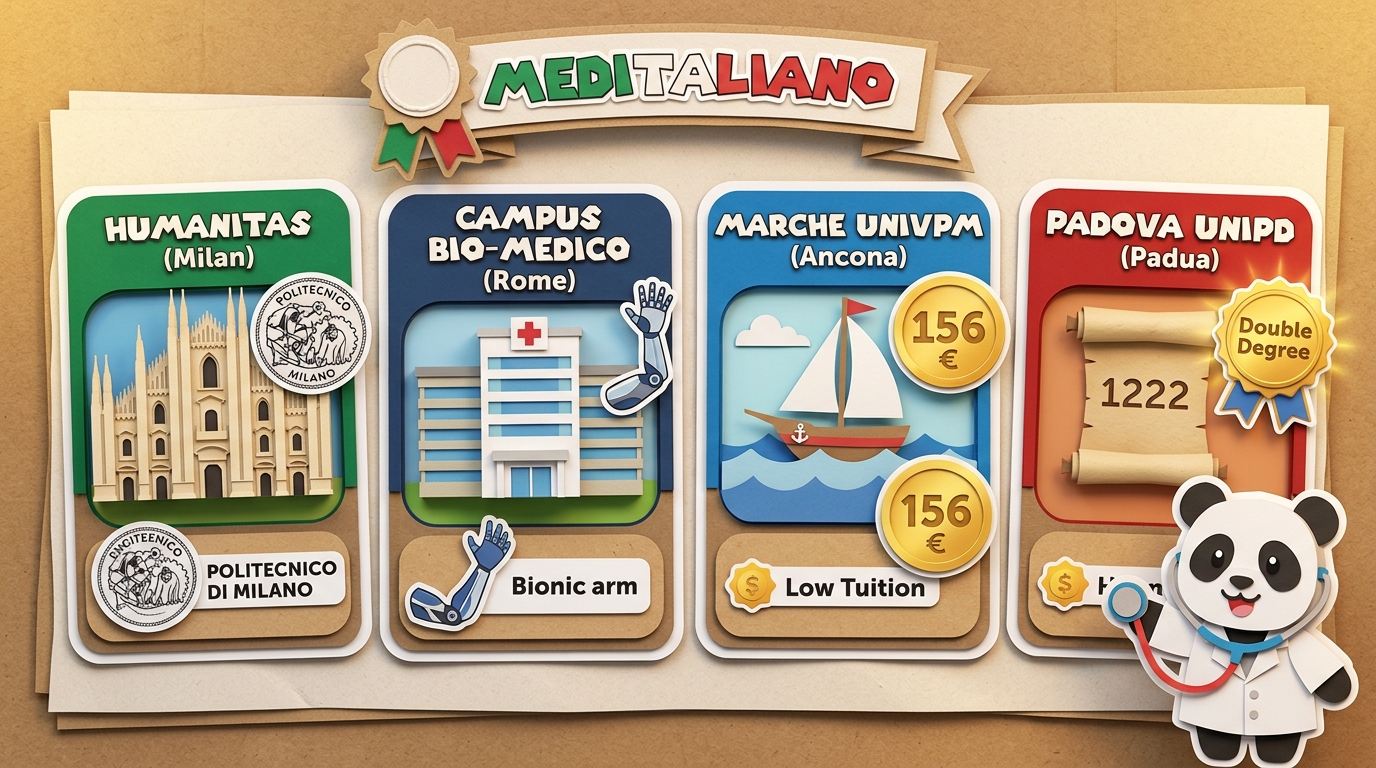
[3D Infographic 1] Italy's 4 MedTech Medicine Programs Comparison Matrix (Humanitas, UCBM, Marche, Padua)
Humanitas University (MEDTEC School)
Delivered in partnership with Politecnico di Milano. Houses the state-of-the-art Mario Luzzatto Simulation Center and provides curriculum alignment with USMLE for transatlantic medical mobility.
🎓 Degree: Doctor of Medicine (MD) + BSc in Biomedical Engineering
🤝 Partner: Politecnico di Milano (Top-tier European Polytechnic)
📝 Admissions: Bespoke CBT 'HUMAT' Exam (March, international test centers)
💺 Quota: Non-EU: ~10-20 seats / EU: ~70-80 seats
💰 Tuition: €10,000 - €23,206 / year (4 income tiers)
Campus Bio-Medico University of Rome (UCBM)
Integrates a 400-bed university teaching hospital and bioengineering labs on a single unified campus. Globally renowned for neural-machine interfaces, bionic limbs, and rehabilitation robotics.
🎓 Degree: MD in Medicine & Surgery + Biomedical Engineering Master's Certification
🤝 Partner: Internal Faculty of Engineering (Global leader in neural bionics)
📝 Admissions: Proprietary Online Admissions Exam (February - March)
💺 Quota: Non-EU: ~36 seats / EU: ~72 seats
💰 Tuition: €16,000 - €18,000 / year
Marche Polytechnic University (UNIVPM)
Europe's first public English-taught MedTech double-degree program (est. 2022). Offers an expansive non-EU quota of 50-60 seats and living expenses that are less than half of Milan or Rome.
🎓 Degree: MD in Medicine & Surgery + BSc in Biomedical Engineering
🤝 Partner: UNIVPM Faculty of Engineering
📝 Admissions: National IMAT Exam (September, worldwide testing centres)
💺 Quota: Non-EU: 50-60 seats (Largest non-EU MedTech quota in Europe!) / EU: ~30 seats
💰 Tuition: €156 - ~€2,000 / year (Income-based, regional grant eligible)
University of Padua (Medicine & Technology - ME3138)
The historic cradle of modern medicine where Galileo Galilei taught. With standard English medicine relocating to Venice, this premier new course launched at Padua's historic flagship campus.
🎓 Degree: MD in Medicine & Surgery + Dual Track (BME L-8/L-9 or Health Biology L-13)
🤝 Partner: UNIPD Department of Information Engineering & Biology
📝 Admissions: National IMAT Exam (September)
💺 Quota: Non-EU: 15 seats / EU: 65 seats (Total 80)
💰 Tuition: €156 - ~€2,900 / year (Regional grant applicable)
Important: Padua University Campus Relocation (Padua vs Venice)
The University of Padua has relocated its standard English MD course to the Venice campus, reserving its historic Padua main campus for the newly launched 'Medicine and Surgery – MedTech' program (80 seats, ME3138) starting 2026/2027.
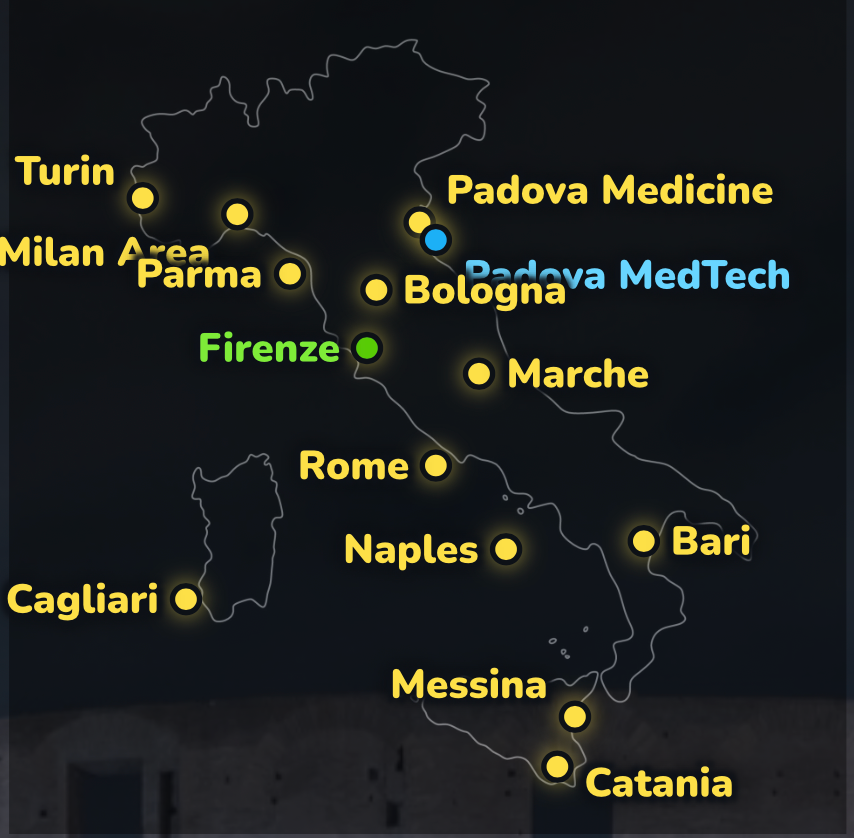
Italian Medical Faculty Campus Map (Padua MedTech Main Campus vs Venice Campus)
The Complete 6-Year Curriculum Breakdown: From Calculus to Clinical Wards
Unlike standard medical programs, students tackle calculus, physics, and circuits in Years 1-2, signal processing and AI in Year 3, and hospital clerkships combined with robotics in Years 4-6.
Students master university-level calculus, physics, and circuit physics alongside human anatomy and physiology. Biological events like cardiac electrophysiology are analyzed through differential equations and circuit models.
Engineering & Data Modules
- •Mathematical Analysis, Geometry & Linear Algebra (10-12 ECTS)
- •Experimental Physics, Electromagnetism & Thermodynamics (10-12 ECTS)
- •Probability, Biostatistics & Medical Data Science (6 ECTS)
- •Computer Science, Biocomputing & Algorithmic Problem Solving (5-6 ECTS)
- •Electric Circuit Theory, Mechatronics & Biomechanics (11-15 ECTS)
Medical & Clinical Modules
- •Gross Anatomy, Histology, Embryology & Dissection Labs
- •Medical Biochemistry, Molecular Biology & Cell Physiology
- •Systemic Physiology (Neuro, Cardiovascular, Respiratory, Renal)
A pivotal transition to disease mechanisms and bedside examination. Engineering delves deep into instrumentation: MRI signal physics, filter circuits, and machine learning architectures. Passing Italian B2 is mandatory for ward entry.
Engineering & Data Modules
- •Biomedical Electronics & Clinical Instrumentation (8-14 ECTS)
- •Medical Signal & Digital Image Processing (12 ECTS)
- •Machine Learning & Artificial Intelligence Foundations (5 ECTS)
- •Biomaterials, Biocompatibility & Tissue Scaffolds (5 ECTS)
Medical & Clinical Modules
- •General Pathology, Immunopathology & Oncology
- •Medical Pharmacology & Pharmacokinetics
- •Clinical Semeiotics, Bedside History Taking & Physical Examination
Students complete immersive clinical clerkships (TPV) across surgery, medicine, and emergency care while executing advanced engineering modules in surgical robotics and 3D modeling. Concludes with a master thesis yielding dual MD + BSc degrees.
Engineering & Data Modules
- •Patient-Specific 3D Modeling & Artificial Organs (Year 4)
- •Robotic-Assisted Surgery & Surgical Navigation Systems (Years 4-5)
- •Healthcare Big Data Mining & Advanced Radiotherapy Physics (Years 4-5)
- •Healthcare Robotics, Hospital DX & Healthcare Management Engineering (Year 6)
Medical & Clinical Modules
- •Internal Medicine Specialties (Cardiology, GI, Pulmonology, Nephrology, Neuro)
- •Surgical Specialties (Cardiovascular, Neurosurgery, Orthopedics, Urology)
- •Pediatrics, Obstetrics & Gynecology, Psychiatry, Emergency Medicine & ICU
- •Evaluated Hospital Clerkships (TPV: Mandatory 100% Attendance for Licensing)
Important: Padua University Campus Relocation (Padua vs Venice)
The University of Padua has relocated its standard English MD course to the Venice campus, reserving its historic Padua main campus for the newly launched 'Medicine and Surgery – MedTech' program (80 seats, ME3138) starting 2026/2027.
Italian Medical Faculty Campus Map (Padua MedTech Main Campus vs Venice Campus)
The 7 Explosive MedTech Sectors Rewriting Healthcare & Clinical Frontlines
An analytical overview of surgical robotics, brain-computer interfaces (BCI), AI-driven diagnostic imaging, continuous wearable telemetry, 3D bioprinting, digital therapeutics, and bioresorbable implants.
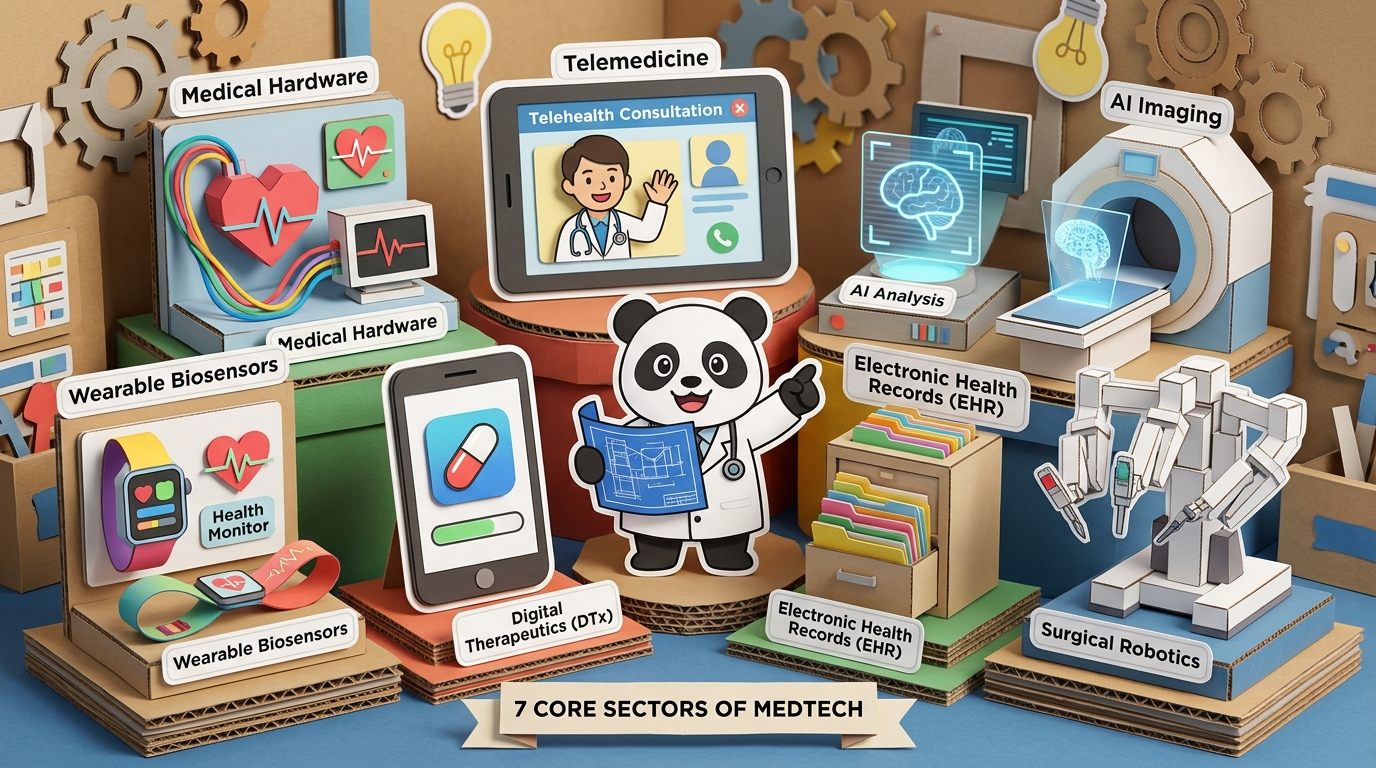
[3D Infographic 3] The 7 Core Growth Sectors of the Global MedTech Ecosystem
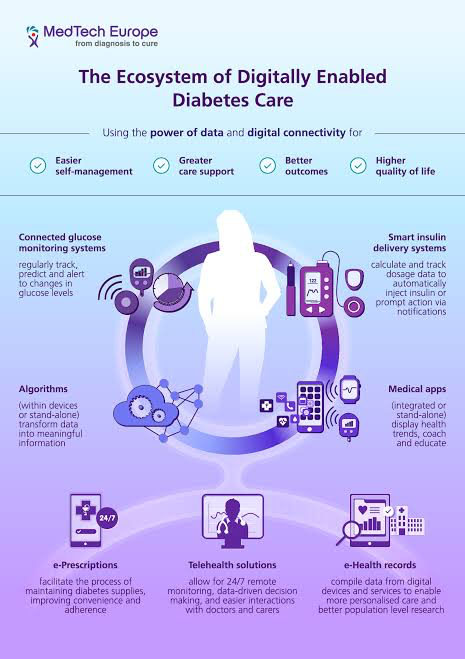
MedTech Europe: Ecosystem of Digitally Enabled Diabetes Care
The integrated ecosystem of continuous glucose monitors (CGM), smart insulin delivery, closed-loop algorithms, telemonitoring, and clinical decision support systems.
Real-World Clinical & Bioengineering Frontlines Showcase (8 Sectors)
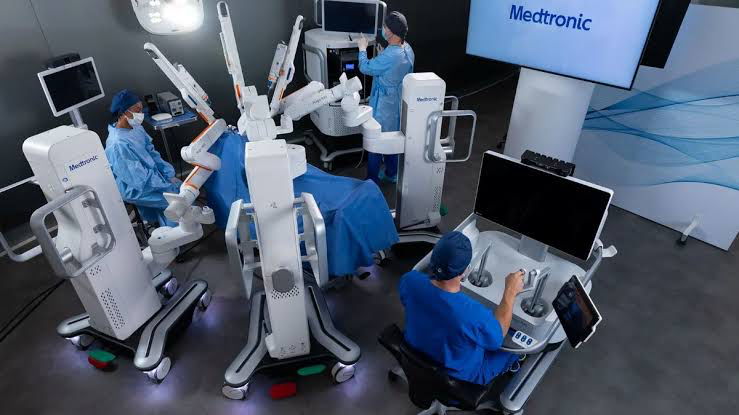
Robotic-Assisted Surgery Systems (Medtronic Hugo RAS & da Vinci)
Multi-arm surgical consoles eliminating human hand tremors and empowering surgeons with sub-millimeter dexterity in minimally invasive operations under 3D magnification.
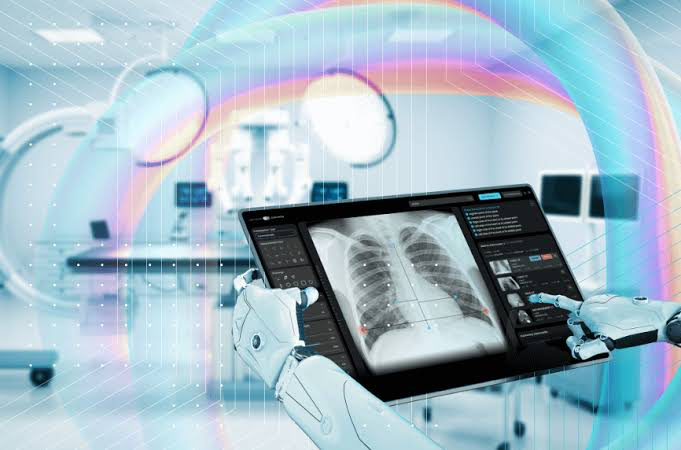
AI-Powered Diagnostic Radiology & Lesion Detection
Deep learning algorithms scanning chest X-rays and CT slices to detect subtle nodules, pneumothorax, and micro-lesions in real time, drastically reducing diagnostic workload.
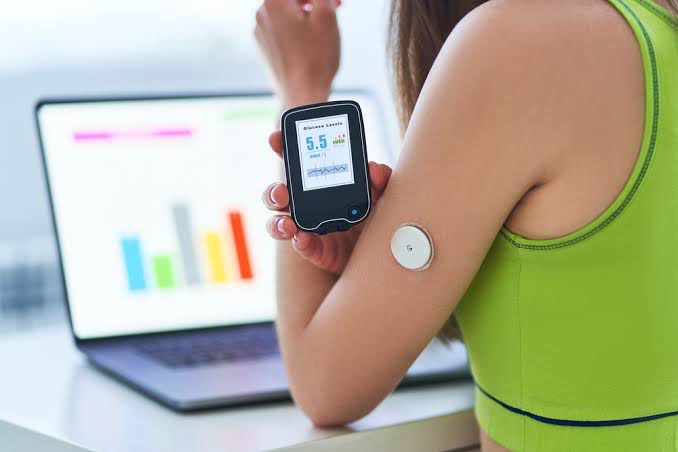
Continuous Biosensors & Real-Time Wearable Telemetry
Arm-patch continuous glucose monitors (CGM) streaming 24/7 biometric telemetry wirelessly to mobile receivers and physician dashboards, preventing acute glycemic events.
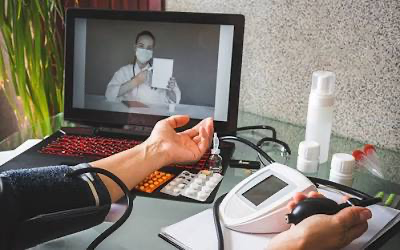
Integrated Telemedicine & Remote Vital Diagnostics
Virtual consultation platforms synchronized with connected blood pressure cuffs and home telemetry devices to eliminate healthcare deserts and optimize chronic disease management.

Biomedical Wet Lab & Regenerative Biomaterials
Cell culture, biocompatible polymer synthesis, and micro-pipetting protocols powering next-generation 3D bioprinting, organoid research, and regenerative tissue implants.
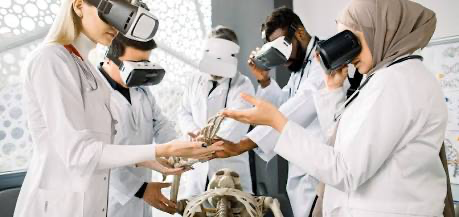
VR/XR Surgical Simulation & Immersive 3D Anatomy Training
Medical scholars donning VR headsets to dissect holographic anatomical models and practice complex surgical workflows in risk-free interactive virtual operating suites.
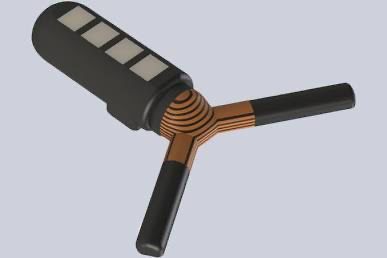
Bioelectronic Active Implants & Leadless Pacemakers
Miniaturized leadless cardiac pacemakers and deep-brain stimulation neural probes engineered with micro-batteries, wireless power transfer, and biocompatible packaging.
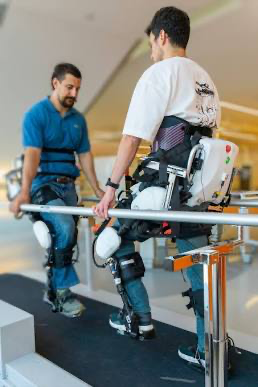
Powered Robotic Exoskeletons & Gait Neuro-Rehabilitation
Powered robotic exoskeletons restoring mobility for spinal cord injury and stroke patients, detecting residual bioelectric muscle signals to drive intelligent assistive torque.
Global Compensation Divergence: Clinical Physicians vs. MedTech Executives
A comparison of lifetime earning potential and career trajectories across the United States, Switzerland, UK/EU, and Japan, detailing how combining medical licensing with bioengineering leadership accelerates careers in medtech venture capital, medical device leadership, and clinical research.
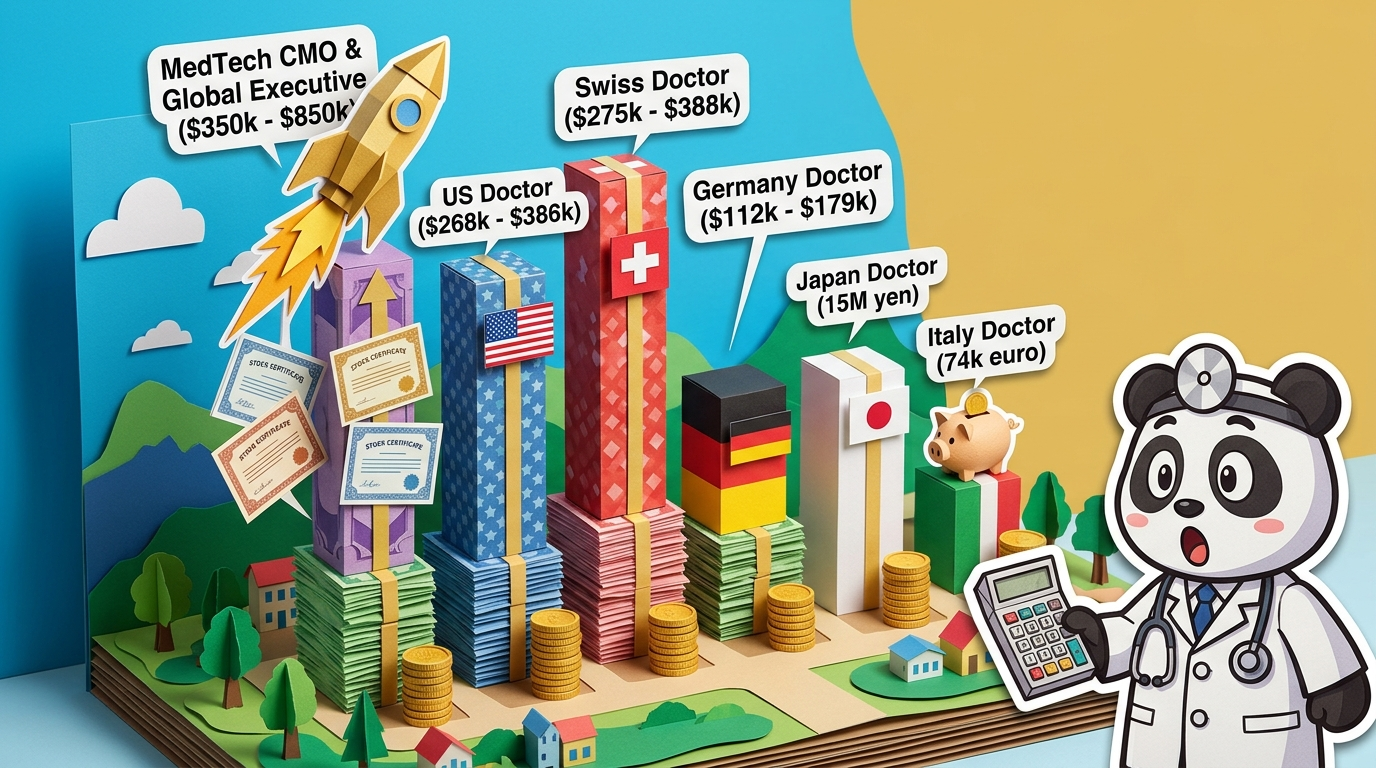
[3D Infographic 2] Global Healthcare & Engineering Compensation Matrix (USA, Switzerland, UK/EU, Japan)
Cross-Border Physician & MedTech Executive Compensation Table
| Role & Specialty | Region | Annual Compensation |
|---|---|---|
| US Clinical Specialist (Surgical, Ortho, Cardio) | 🇺🇸 United States | $500,000 - $800,000+ / year |
| US Hospitalist / Primary Care Physician | 🇺🇸 United States | $268,000 - $386,000 / year |
| Swiss Hospital Physician / Private Specialist | 🇨🇭 Switzerland | $275,000 - $388,000+ / year |
| German Specialist / Senior Attending (Oberarzt) | 🇩🇪 Germany | €140,000 - €222,700 / year |
| Japanese Hospital Physician (Average across all specialties) | 🇯🇵 Japan | ¥14.85M avg (~$100,000 USD / year) |
| Italian Specialist Physician (Dirigente Medico) | 🇮🇹 Italy | €74,500 gross (~€2,800/mo net / year) |
| Global MedTech / Biotech Chief Executive Officer (CEO) | 🌐 Global HQ | $400,000 - $800,000+ base (Total comp $3,000,000+) |
| Global Chief Medical Officer (CMO) | 🌐 Global HQ | $450,000 - $850,000 total compensation |
| US Medical Director (Clinical Development) | 🇺🇸 United States | $290,000 - $450,000 / year |
| Japan Healthcare Tech Executive / Pharma Medical Director | 🇯🇵 Japan | ¥12M - ¥25M + Stock Options |
The Rise of Doctorpreneurs: Turning Ward Pain Points into Venture Startups
From clinical frustration to venture-backed breakthroughs: how physicians with engineering fluency identify unmet hospital needs, prototype novel medical hardware, and scale international healthcare startups.
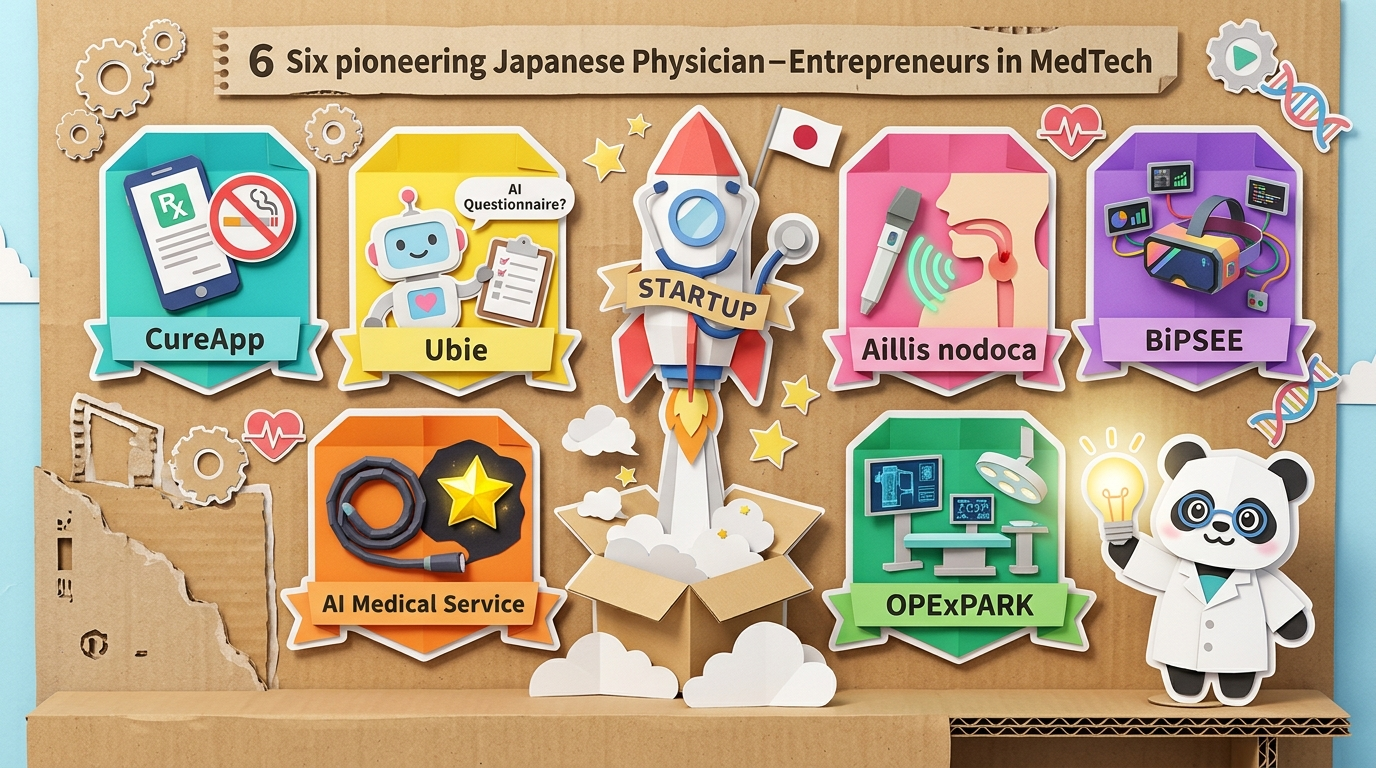
[3D Infographic 4] The Global Physician-Entrepreneur Startup Landscape
6 Landmark Physician-Entrepreneur Success Stories in Japan
株式会社CureApp
Dr. Kota Satake (Pulmonologist)
Pioneered Japan's first insurance-reimbursed prescription digital therapeutics (DTx) for smoking cessation and hypertension, treating chronic disease via behavioral algorithms.
Ubie株式会社
Dr. Yoshinori Abe & Eng. Kota Kubo
Converted medical cognitive algorithms and 50,000+ clinical papers into automated patient triage and AI-powered hospital history-taking, saving thousands of clinical hours.
株式会社AIメディカルサービス
Dr. Tomohiro Tada (Gastroenterologist)
Engineered deep-learning algorithms for real-time endoscopic lesion bounding during live colonoscopies and gastroscopies, expanding rapidly into the US and Asia.
アイリス株式会社
Dr. Sho Okiyama (Emergency Physician)
Developed 'nodoca', an AI-powered optical diagnostic hardware device analyzing pharyngeal follicles in seconds to detect influenza without painful nasal swabs.
株式会社BiPSEE
Dr. Masayo Matsumura (Psychosomatic Medicine)
Creates immersive medical-grade virtual reality scenarios targeting the limbic system to treat depression, anxiety, and psychosomatic disorders.
株式会社OPExPARK
Dr. Yasunori Honda (Gastroenterologist)
Integrates intraoperative endoscopic video, hemodynamic telemetry, and room cameras into an encrypted platform enabling real-time remote surgical mentoring.
The 3 Harsh Realities Every MedTech Applicant Must Understand
Beyond the prestige lies intense academic rigor: advanced mathematics and physics hurdles (OFA risk), dynamic QR attendance tracking (75% rule), and the Italian B2 ward barrier.
Unlike conventional medicine, MedTech programs enforce strict mathematics and physics cutoffs. At Padua and public faculties, applicants below certain physics/math thresholds receive an 'OFA' (Additional Educational Obligation). Failure to clear the OFA exam by September 30 automatically blocks enrollment into Year 2, causing an immediate academic repeat year.
Attendance is tracked through dynamic, GPS-verified QR codes changing every few seconds. Falling below 75% verified attendance instantly locks your exam registration portal, barring you from testing. With 6-7 lecture hours daily in Years 1-3 followed by 8-hour daily ward rotations plus polytechnic problem sets, workload averages a grueling 60-70 ECTS yearly.
While lectures and exams are entirely in English, 95%+ of patients on hospital wards are elderly Italians who speak zero English. Achieving verified Italian B2 fluency prior to Year 3 bedside clerkships is legally and practically mandatory; without it, students are unable to take clinical histories or participate in hands-on clinical procedures.
Important: Padua University Campus Relocation (Padua vs Venice)
The University of Padua has relocated its standard English MD course to the Venice campus, reserving its historic Padua main campus for the newly launched 'Medicine and Surgery – MedTech' program (80 seats, ME3138) starting 2026/2027.
Italian Medical Faculty Campus Map (Padua MedTech Main Campus vs Venice Campus)
How to Secure Admission into Italian MedTech Programs
Public programs at Padua and Marche select applicants via the national IMAT (International Medical Admissions Test), while private institutions utilize bespoke exams (HUMAT for Humanitas and the UCBM admissions portal). MedTech tracks place higher emphasis on calculus, physics, and critical thinking.
Interactive cohort mentorship led directly by current Padua and Bologna medical scholars. Comprehensive coverage of advanced physics, math, biology, and past paper drills with individual mentoring across 4 annual seasonal tracks.
Experience our pedagogical approach firsthand in a 60-minute trial session. Explore live IMAT question dissections, interactive problem-solving, and uncensored Q&A on Italian medical student life.